Buy mikrowelle.eu ?
We are moving the project
mikrowelle.eu .
Are you interested in purchasing the domain
mikrowelle.eu ?
domain@kv-gmbh.de · 0541-91531010
Buy mikrowelle.eu ?
What are demonstrative pronouns and relative pronouns?
Demonstrative pronouns are pronouns that are used to point to specific things or people. Examples of demonstrative pronouns include "this," "that," "these," and "those." Relative pronouns are pronouns that introduce dependent clauses and connect them to independent clauses. Examples of relative pronouns include "who," "whom," "whose," "which," and "that." **
Why are demonstrative pronouns called demonstrative pronouns?
Demonstrative pronouns are called demonstrative because they demonstrate or point to a specific noun or pronoun in a sentence. They help to indicate the position or location of the noun or pronoun in relation to the speaker or listener. By using demonstrative pronouns such as "this," "that," "these," and "those," speakers can make their communication more precise and clear by specifying which person, place, thing, or idea they are referring to. **

Similar search terms for Pronouns
Top-Angebote
Products related to Pronouns:
-
Zoblit The Not So Pointless Halogen Oven Journal: Record Your Progress by Yaya Nobody - Paperback Cooking Diary for Halogen Oven Fans - Fun Kitchen GiftThe Not So Pointless Halogen Oven Journal is a dedicated diary for anyone who loves cooking with a halogen oven and wants to track their progress meal by meal. Blending gentle humour with genuine practicality, it gives home cooks a simple, structured space to log dishes, timings, and results. This journal is perfect for kitchen enthusiasts and anyone keen to improve their cooking skills. It's built around a simple idea: the more you record about your halogen oven cooking, the faster you'll improve. Each entry gives you room to note the dish you prepared, the cooking time and temperature used, and how the result turned out, alongside space for tweaks you'd like to try next time. Rather than being a recipe book, it's a companion diary designed to sit alongside your favourite recipes and your own experimentation, helping you refine your cooking techniques.2,49 £*Shipping: 2,99 £Secure redirect to the provider
-
Teamson Kids My Little Helper Pizza Oven, Rolling Wooden Kids Play Kitchen & Pretend Cooking Set, 24 pcs AccessoriesTeamson Kids My Little Helper Outdoor Pizza Oven is a rolling wooden kids pizza oven play kitchen that turns backyard fun into a pretend pizzeria experience for toddlers and kids.77,87 $*Shipping: 0,00 $Secure redirect to the provider
-
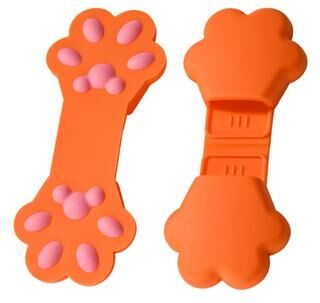
ModernMart Cat Claw Silicone Food Tongs Heat Resistant Snack Clips For Kitchen Cooking 03Wake up your kitchen routine with a tool thats as practical as it is adorable. These silicone food tongs are designed for anyone who loves cooking, snacking, or serving food without the hassle of burns or slipping. Inspired by playful cat claws,...34,97 $*Shipping: 0,00 $Secure redirect to the provider



-
With which pronouns do many people confuse reflexive pronouns?
Many people confuse reflexive pronouns with personal pronouns. For example, they may use "myself" or "yourself" instead of "me" or "you" in a sentence. This confusion often occurs when people are trying to emphasize the subject of the sentence, but they mistakenly use a reflexive pronoun instead of a personal pronoun. It's important to understand the difference between reflexive and personal pronouns in order to use them correctly in sentences. **
-
What are pronouns?
Pronouns are words that are used in place of nouns to avoid repetition in a sentence. They can refer to people, places, things, or ideas. Pronouns help make sentences clearer and more concise by replacing specific nouns with general words like "he," "she," "it," "they," and "we." Using pronouns also helps to maintain the flow of writing and make it more engaging for the reader. **
-
What is the difference between personal pronouns and reflexive pronouns?
Personal pronouns are used to refer to people or things, such as "I," "you," "he," "she," "it," "we," and "they." Reflexive pronouns, on the other hand, are used when the subject and object of a sentence are the same person or thing, such as "myself," "yourself," "himself," "herself," "itself," "ourselves," and "themselves." Reflexive pronouns are used to reflect the action back onto the subject, while personal pronouns simply refer to the subject or object. **
-
Which pronouns do many people often confuse with reflexive pronouns?
Many people often confuse reflexive pronouns with intensive pronouns. Intensive pronouns are used to emphasize a preceding noun or pronoun, while reflexive pronouns are used when the subject and object of a sentence are the same. For example, "I myself will do it" uses an intensive pronoun, while "I hurt myself" uses a reflexive pronoun. It is important to understand the distinction between these two types of pronouns to use them correctly in sentences. **

Can you help me with personal pronouns and possessive pronouns?
Certainly! Personal pronouns are used to replace nouns in a sentence, such as "I", "you", "he", "she", "it", "we", and "they". Possessive pronouns show ownership or possession, such as "mine", "yours", "his", "hers", "ours", and "theirs". If you need help understanding how to use these pronouns in a sentence or identifying which pronoun to use in a specific context, feel free to ask for more guidance. **
What is the difference between relative pronouns and interrogative pronouns?
Relative pronouns are used to connect a dependent clause to an independent clause, providing more information about a noun in the independent clause. They include words like "who," "which," and "that." Interrogative pronouns, on the other hand, are used to ask questions and gather information. They include words like "who," "what," "which," "whom," and "whose." The main difference between the two is their function in a sentence - relative pronouns connect clauses, while interrogative pronouns are used to ask questions. **
Top-Angebote
Products related to Pronouns:
-
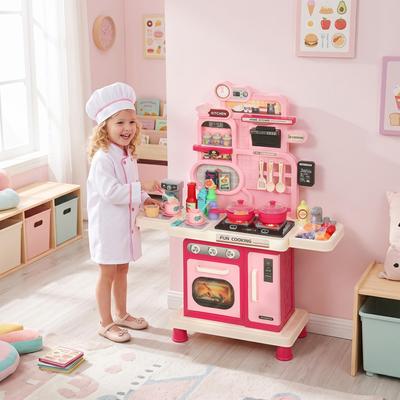
"Qaba Kids Kitchen Playset, 34"" Play Kitchen with Lights, Sounds, Play Sink, Storage, Cooking Stove, Oven, Pink"Descriptions: Play kitchen turns after-school boredom into busy pretend dinners. When accessories go missing and play feels repetitive, little chefs lose interest and rooms get messy.41,67 $*Shipping: 0,00 $Secure redirect to the provider
-
Zoblit The Not So Pointless Halogen Oven Journal: Record Your Progress by Yaya Nobody - Paperback Cooking Diary for Halogen Oven Fans - Fun Kitchen GiftThe Not So Pointless Halogen Oven Journal is a dedicated diary for anyone who loves cooking with a halogen oven and wants to track their progress meal by meal. Blending gentle humour with genuine practicality, it gives home cooks a simple, structured space to log dishes, timings, and results. This journal is perfect for kitchen enthusiasts and anyone keen to improve their cooking skills. It's built around a simple idea: the more you record about your halogen oven cooking, the faster you'll improve. Each entry gives you room to note the dish you prepared, the cooking time and temperature used, and how the result turned out, alongside space for tweaks you'd like to try next time. Rather than being a recipe book, it's a companion diary designed to sit alongside your favourite recipes and your own experimentation, helping you refine your cooking techniques.2,49 £*Shipping: 2,99 £Secure redirect to the provider
-
What are demonstrative pronouns and relative pronouns?
Demonstrative pronouns are pronouns that are used to point to specific things or people. Examples of demonstrative pronouns include "this," "that," "these," and "those." Relative pronouns are pronouns that introduce dependent clauses and connect them to independent clauses. Examples of relative pronouns include "who," "whom," "whose," "which," and "that." **
-
Why are demonstrative pronouns called demonstrative pronouns?
Demonstrative pronouns are called demonstrative because they demonstrate or point to a specific noun or pronoun in a sentence. They help to indicate the position or location of the noun or pronoun in relation to the speaker or listener. By using demonstrative pronouns such as "this," "that," "these," and "those," speakers can make their communication more precise and clear by specifying which person, place, thing, or idea they are referring to. **
-
With which pronouns do many people confuse reflexive pronouns?
Many people confuse reflexive pronouns with personal pronouns. For example, they may use "myself" or "yourself" instead of "me" or "you" in a sentence. This confusion often occurs when people are trying to emphasize the subject of the sentence, but they mistakenly use a reflexive pronoun instead of a personal pronoun. It's important to understand the difference between reflexive and personal pronouns in order to use them correctly in sentences. **
-
What are pronouns?
Pronouns are words that are used in place of nouns to avoid repetition in a sentence. They can refer to people, places, things, or ideas. Pronouns help make sentences clearer and more concise by replacing specific nouns with general words like "he," "she," "it," "they," and "we." Using pronouns also helps to maintain the flow of writing and make it more engaging for the reader. **
Similar search terms for Pronouns
-
Teamson Kids My Little Helper Pizza Oven, Rolling Wooden Kids Play Kitchen & Pretend Cooking Set, 24 pcs AccessoriesTeamson Kids My Little Helper Outdoor Pizza Oven is a rolling wooden kids pizza oven play kitchen that turns backyard fun into a pretend pizzeria experience for toddlers and kids.77,87 $*Shipping: 0,00 $Secure redirect to the provider
-
ModernMart Cat Claw Silicone Food Tongs Heat Resistant Snack Clips For Kitchen Cooking 03Wake up your kitchen routine with a tool thats as practical as it is adorable. These silicone food tongs are designed for anyone who loves cooking, snacking, or serving food without the hassle of burns or slipping. Inspired by playful cat claws,...34,97 $*Shipping: 0,00 $Secure redirect to the provider
-
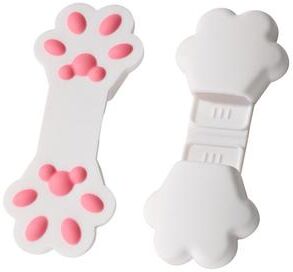
ModernMart Cat Claw Silicone Food Tongs Heat Resistant Snack Clips For Kitchen Cooking 02Wake up your kitchen routine with a tool thats as practical as it is adorable. These silicone food tongs are designed for anyone who loves cooking, snacking, or serving food without the hassle of burns or slipping. Inspired by playful cat claws,...34,97 $*Shipping: 0,00 $Secure redirect to the provider
-
What is the difference between personal pronouns and reflexive pronouns?
Personal pronouns are used to refer to people or things, such as "I," "you," "he," "she," "it," "we," and "they." Reflexive pronouns, on the other hand, are used when the subject and object of a sentence are the same person or thing, such as "myself," "yourself," "himself," "herself," "itself," "ourselves," and "themselves." Reflexive pronouns are used to reflect the action back onto the subject, while personal pronouns simply refer to the subject or object. **
-
Which pronouns do many people often confuse with reflexive pronouns?
Many people often confuse reflexive pronouns with intensive pronouns. Intensive pronouns are used to emphasize a preceding noun or pronoun, while reflexive pronouns are used when the subject and object of a sentence are the same. For example, "I myself will do it" uses an intensive pronoun, while "I hurt myself" uses a reflexive pronoun. It is important to understand the distinction between these two types of pronouns to use them correctly in sentences. **
-
Can you help me with personal pronouns and possessive pronouns?
Certainly! Personal pronouns are used to replace nouns in a sentence, such as "I", "you", "he", "she", "it", "we", and "they". Possessive pronouns show ownership or possession, such as "mine", "yours", "his", "hers", "ours", and "theirs". If you need help understanding how to use these pronouns in a sentence or identifying which pronoun to use in a specific context, feel free to ask for more guidance. **
-
What is the difference between relative pronouns and interrogative pronouns?
Relative pronouns are used to connect a dependent clause to an independent clause, providing more information about a noun in the independent clause. They include words like "who," "which," and "that." Interrogative pronouns, on the other hand, are used to ask questions and gather information. They include words like "who," "what," "which," "whom," and "whose." The main difference between the two is their function in a sentence - relative pronouns connect clauses, while interrogative pronouns are used to ask questions. **
* All prices are inclusive of VAT and, if applicable, plus shipping costs. The offer information is based on the details provided by the respective shop and is updated through automated processes. Real-time updates do not occur, so deviations can occur in individual cases. ** Note: Parts of this content were created by AI.