Buy mikrowelle.eu ?
We are moving the project
mikrowelle.eu .
Are you interested in purchasing the domain
mikrowelle.eu ?
domain@kv-gmbh.de · 0541-91531010
Buy mikrowelle.eu ?
Is suspension polymerization a radical polymerization?
Yes, suspension polymerization is a type of radical polymerization. In suspension polymerization, monomers are dispersed in a liquid phase and polymerization is initiated by free radicals. These free radicals are typically generated through the use of initiators, such as peroxides, which break down to form reactive species that initiate the polymerization process. The formation of polymer chains through the addition of monomers to these radicals is a characteristic feature of radical polymerization. **
What is the difference between polymerization and radical polymerization?
Polymerization is the process of combining small molecules (monomers) to form a large molecule (polymer). Radical polymerization is a type of polymerization that involves the use of free radicals to initiate the polymerization reaction. The main difference between polymerization and radical polymerization is the mechanism of initiation. In polymerization, the reaction can be initiated by various methods such as heat, light, or a catalyst, while radical polymerization specifically involves the use of free radicals to start the reaction. Radical polymerization is often used to produce polymers with specific properties, such as high flexibility or toughness. **

Similar search terms for Polymerization
Top-Angebote
Products related to Polymerization:
-
Zoblit The Not So Pointless Halogen Oven Journal: Record Your Progress by Yaya Nobody - Paperback Cooking Diary for Halogen Oven Fans - Fun Kitchen GiftThe Not So Pointless Halogen Oven Journal is a dedicated diary for anyone who loves cooking with a halogen oven and wants to track their progress meal by meal. Blending gentle humour with genuine practicality, it gives home cooks a simple, structured space to log dishes, timings, and results. This journal is perfect for kitchen enthusiasts and anyone keen to improve their cooking skills. It's built around a simple idea: the more you record about your halogen oven cooking, the faster you'll improve. Each entry gives you room to note the dish you prepared, the cooking time and temperature used, and how the result turned out, alongside space for tweaks you'd like to try next time. Rather than being a recipe book, it's a companion diary designed to sit alongside your favourite recipes and your own experimentation, helping you refine your cooking techniques.2,49 £*Shipping: 2,99 £Secure redirect to the provider
-
Teamson Kids My Little Helper Pizza Oven, Rolling Wooden Kids Play Kitchen & Pretend Cooking Set, 24 pcs AccessoriesTeamson Kids My Little Helper Outdoor Pizza Oven is a rolling wooden kids pizza oven play kitchen that turns backyard fun into a pretend pizzeria experience for toddlers and kids.77,87 $*Shipping: 0,00 $Secure redirect to the provider
-
ModernMart Cat Claw Silicone Food Tongs Heat Resistant Snack Clips For Kitchen Cooking 03Wake up your kitchen routine with a tool thats as practical as it is adorable. These silicone food tongs are designed for anyone who loves cooking, snacking, or serving food without the hassle of burns or slipping. Inspired by playful cat claws,...34,97 $*Shipping: 0,00 $Secure redirect to the provider



-
What are branches in radical polymerization?
Branches in radical polymerization refer to side chains that extend from the main polymer chain. These side chains can result from the presence of branching agents or from chain transfer reactions during the polymerization process. Branches can affect the properties of the polymer, such as its mechanical strength, flexibility, and thermal properties. Controlling the branching in radical polymerization is important for tailoring the properties of the final polymer product. **
-
How does the polymerization of polystyrene occur?
Polystyrene polymerization occurs through a process called chain-growth polymerization. This process involves the repeated addition of monomer units (styrene molecules) to a growing polymer chain. It is initiated by a catalyst or initiator, which starts the reaction by breaking a chemical bond in the monomer. This creates a reactive site that can then bond with another monomer, leading to the formation of a polymer chain. As more and more monomers are added, the polymer chain grows in length, resulting in the formation of polystyrene. **
-
What is the difference between polymerization and polycondensation?
Polymerization is a process where monomers are chemically bonded together to form a polymer without the formation of any byproducts. On the other hand, polycondensation is a specific type of polymerization where the reaction involves the elimination of small molecules, such as water or alcohol, as byproducts. This means that in polycondensation, the polymer is formed through the condensation of two different functional groups, leading to the release of a small molecule. **
-
How can branching occur in a radical polymerization?
Branching can occur in radical polymerization when a polymer chain reacts with a monomer to form a new chain, resulting in the formation of a branch point. This can happen when a growing polymer chain reacts with a monomer that has multiple reactive sites, leading to the formation of a branch. Additionally, termination reactions can also lead to branching when two growing polymer chains react with each other, forming a branched structure. Branching can impact the properties of the polymer, such as its mechanical and thermal properties, and can be controlled by adjusting the reaction conditions and monomer structure. **


Which kitchen appliance?
The most essential kitchen appliance is the refrigerator. It helps in keeping food fresh, preserving leftovers, and storing perishable items. A refrigerator also allows for better meal planning and reduces food waste by extending the shelf life of groceries. Overall, it is a crucial appliance for maintaining a well-stocked and organized kitchen. **
How do you summon Quintet Magician with Ultra Polymerization?
To summon Quintet Magician with Ultra Polymerization, you need to send 5 Fusion Materials from your hand, field, and/or Deck to the Graveyard. These Fusion Materials must be specifically listed on Quintet Magician's card. Once you have sent the required Fusion Materials to the Graveyard, you can activate Ultra Polymerization from your hand, Fusion Summoning Quintet Magician by banishing the Fusion Materials from your Graveyard. **
Top-Angebote
Products related to Polymerization:
-
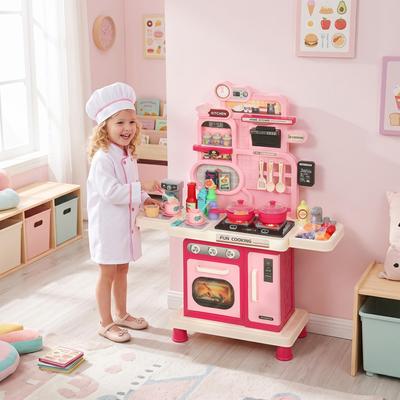
"Qaba Kids Kitchen Playset, 34"" Play Kitchen with Lights, Sounds, Play Sink, Storage, Cooking Stove, Oven, Pink"Descriptions: Play kitchen turns after-school boredom into busy pretend dinners. When accessories go missing and play feels repetitive, little chefs lose interest and rooms get messy.41,67 $*Shipping: 0,00 $Secure redirect to the provider
-
Zoblit The Not So Pointless Halogen Oven Journal: Record Your Progress by Yaya Nobody - Paperback Cooking Diary for Halogen Oven Fans - Fun Kitchen GiftThe Not So Pointless Halogen Oven Journal is a dedicated diary for anyone who loves cooking with a halogen oven and wants to track their progress meal by meal. Blending gentle humour with genuine practicality, it gives home cooks a simple, structured space to log dishes, timings, and results. This journal is perfect for kitchen enthusiasts and anyone keen to improve their cooking skills. It's built around a simple idea: the more you record about your halogen oven cooking, the faster you'll improve. Each entry gives you room to note the dish you prepared, the cooking time and temperature used, and how the result turned out, alongside space for tweaks you'd like to try next time. Rather than being a recipe book, it's a companion diary designed to sit alongside your favourite recipes and your own experimentation, helping you refine your cooking techniques.2,49 £*Shipping: 2,99 £Secure redirect to the provider
-
Is suspension polymerization a radical polymerization?
Yes, suspension polymerization is a type of radical polymerization. In suspension polymerization, monomers are dispersed in a liquid phase and polymerization is initiated by free radicals. These free radicals are typically generated through the use of initiators, such as peroxides, which break down to form reactive species that initiate the polymerization process. The formation of polymer chains through the addition of monomers to these radicals is a characteristic feature of radical polymerization. **
-
What is the difference between polymerization and radical polymerization?
Polymerization is the process of combining small molecules (monomers) to form a large molecule (polymer). Radical polymerization is a type of polymerization that involves the use of free radicals to initiate the polymerization reaction. The main difference between polymerization and radical polymerization is the mechanism of initiation. In polymerization, the reaction can be initiated by various methods such as heat, light, or a catalyst, while radical polymerization specifically involves the use of free radicals to start the reaction. Radical polymerization is often used to produce polymers with specific properties, such as high flexibility or toughness. **
-
What are branches in radical polymerization?
Branches in radical polymerization refer to side chains that extend from the main polymer chain. These side chains can result from the presence of branching agents or from chain transfer reactions during the polymerization process. Branches can affect the properties of the polymer, such as its mechanical strength, flexibility, and thermal properties. Controlling the branching in radical polymerization is important for tailoring the properties of the final polymer product. **
-
How does the polymerization of polystyrene occur?
Polystyrene polymerization occurs through a process called chain-growth polymerization. This process involves the repeated addition of monomer units (styrene molecules) to a growing polymer chain. It is initiated by a catalyst or initiator, which starts the reaction by breaking a chemical bond in the monomer. This creates a reactive site that can then bond with another monomer, leading to the formation of a polymer chain. As more and more monomers are added, the polymer chain grows in length, resulting in the formation of polystyrene. **
Similar search terms for Polymerization
-
Teamson Kids My Little Helper Pizza Oven, Rolling Wooden Kids Play Kitchen & Pretend Cooking Set, 24 pcs AccessoriesTeamson Kids My Little Helper Outdoor Pizza Oven is a rolling wooden kids pizza oven play kitchen that turns backyard fun into a pretend pizzeria experience for toddlers and kids.77,87 $*Shipping: 0,00 $Secure redirect to the provider
-
ModernMart Cat Claw Silicone Food Tongs Heat Resistant Snack Clips For Kitchen Cooking 03Wake up your kitchen routine with a tool thats as practical as it is adorable. These silicone food tongs are designed for anyone who loves cooking, snacking, or serving food without the hassle of burns or slipping. Inspired by playful cat claws,...34,97 $*Shipping: 0,00 $Secure redirect to the provider
-
ModernMart Cat Claw Silicone Food Tongs Heat Resistant Snack Clips For Kitchen Cooking 02Wake up your kitchen routine with a tool thats as practical as it is adorable. These silicone food tongs are designed for anyone who loves cooking, snacking, or serving food without the hassle of burns or slipping. Inspired by playful cat claws,...34,97 $*Shipping: 0,00 $Secure redirect to the provider
-
What is the difference between polymerization and polycondensation?
Polymerization is a process where monomers are chemically bonded together to form a polymer without the formation of any byproducts. On the other hand, polycondensation is a specific type of polymerization where the reaction involves the elimination of small molecules, such as water or alcohol, as byproducts. This means that in polycondensation, the polymer is formed through the condensation of two different functional groups, leading to the release of a small molecule. **
-
How can branching occur in a radical polymerization?
Branching can occur in radical polymerization when a polymer chain reacts with a monomer to form a new chain, resulting in the formation of a branch point. This can happen when a growing polymer chain reacts with a monomer that has multiple reactive sites, leading to the formation of a branch. Additionally, termination reactions can also lead to branching when two growing polymer chains react with each other, forming a branched structure. Branching can impact the properties of the polymer, such as its mechanical and thermal properties, and can be controlled by adjusting the reaction conditions and monomer structure. **
-
Which kitchen appliance?
The most essential kitchen appliance is the refrigerator. It helps in keeping food fresh, preserving leftovers, and storing perishable items. A refrigerator also allows for better meal planning and reduces food waste by extending the shelf life of groceries. Overall, it is a crucial appliance for maintaining a well-stocked and organized kitchen. **
-
How do you summon Quintet Magician with Ultra Polymerization?
To summon Quintet Magician with Ultra Polymerization, you need to send 5 Fusion Materials from your hand, field, and/or Deck to the Graveyard. These Fusion Materials must be specifically listed on Quintet Magician's card. Once you have sent the required Fusion Materials to the Graveyard, you can activate Ultra Polymerization from your hand, Fusion Summoning Quintet Magician by banishing the Fusion Materials from your Graveyard. **
* All prices are inclusive of VAT and, if applicable, plus shipping costs. The offer information is based on the details provided by the respective shop and is updated through automated processes. Real-time updates do not occur, so deviations can occur in individual cases. ** Note: Parts of this content were created by AI.