Buy mikrowelle.eu ?
We are moving the project
mikrowelle.eu .
Are you interested in purchasing the domain
mikrowelle.eu ?
domain@kv-gmbh.de · 0541-91531010
Buy mikrowelle.eu ?
How does a dilution scheme with a dilution factor work?
A dilution scheme with a dilution factor works by taking a small volume of a concentrated solution and adding a specific amount of solvent to it to decrease the concentration. The dilution factor is calculated by dividing the final volume of the diluted solution by the initial volume of the concentrated solution. By following the dilution scheme and dilution factor, one can accurately prepare solutions of desired concentrations for experiments or analyses. **
Can I dilute the 1:20 dilution with a 1:15 dilution to make a 1:100 dilution?
No, you cannot dilute a 1:20 dilution with a 1:15 dilution to make a 1:100 dilution. When you dilute a solution, you are decreasing the concentration of the solute in the solution. In order to make a 1:100 dilution, you would need to start with a more concentrated solution and dilute it accordingly. Mixing two different dilutions together will not result in a precise 1:100 dilution. **


Similar search terms for Dilution
Top-Angebote
Products related to Dilution:
-
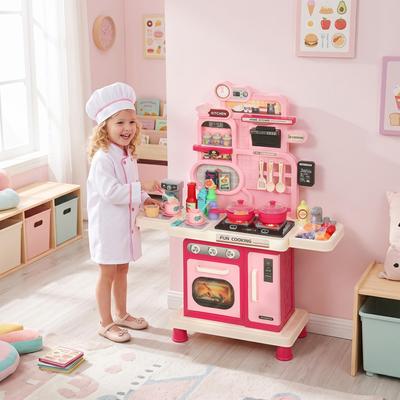
"Qaba Kids Kitchen Playset, 34"" Play Kitchen with Lights, Sounds, Play Sink, Storage, Cooking Stove, Oven, Pink"Descriptions: Play kitchen turns after-school boredom into busy pretend dinners. When accessories go missing and play feels repetitive, little chefs lose interest and rooms get messy.43,99 $*Shipping: 0,00 $Secure redirect to the provider
-
Zoblit The Not So Pointless Halogen Oven Journal: Record Your Progress by Yaya Nobody - Paperback Cooking Diary for Halogen Oven Fans - Fun Kitchen GiftThe Not So Pointless Halogen Oven Journal is a dedicated diary for anyone who loves cooking with a halogen oven and wants to track their progress meal by meal. Blending gentle humour with genuine practicality, it gives home cooks a simple, structured space to log dishes, timings, and results. This journal is perfect for kitchen enthusiasts and anyone keen to improve their cooking skills. It's built around a simple idea: the more you record about your halogen oven cooking, the faster you'll improve. Each entry gives you room to note the dish you prepared, the cooking time and temperature used, and how the result turned out, alongside space for tweaks you'd like to try next time. Rather than being a recipe book, it's a companion diary designed to sit alongside your favourite recipes and your own experimentation, helping you refine your cooking techniques.2,49 £*Shipping: 2,99 £Secure redirect to the provider
-
Teamson Kids My Little Helper Pizza Oven, Rolling Wooden Kids Play Kitchen & Pretend Cooking Set, 24 pcs AccessoriesTeamson Kids My Little Helper Outdoor Pizza Oven is a rolling wooden kids pizza oven play kitchen that turns backyard fun into a pretend pizzeria experience for toddlers and kids.77,87 $*Shipping: 0,00 $Secure redirect to the provider



-
What is a dilution series?
A dilution series is a set of solutions that are prepared by sequentially diluting a stock solution with a solvent, typically water. Each solution in the series has a lower concentration of the original solute than the previous one. Dilution series are commonly used in scientific experiments to create a range of concentrations for testing the effects of different concentrations of a substance. By diluting the original solution multiple times, researchers can create a gradient of concentrations to study the response of a system to varying levels of the solute. **
-
Is this a dilution line?
No, this is not a dilution line. Dilution lines are typically used in scientific experiments to show the relationship between the concentration of a substance and its effect. This image does not appear to represent a dilution line as it shows a graph with multiple data points and no clear dilution trend. **
-
What is a dilution task?
A dilution task is a type of cognitive task used in psychology and neuroscience research to measure attention and cognitive control. In a typical dilution task, participants are presented with a series of stimuli and are asked to respond to a target stimulus while ignoring distractors. The distractors are designed to be similar to the target stimulus, making it more challenging for participants to maintain focus and accurately respond. By measuring reaction times and accuracy on the task, researchers can assess an individual's ability to filter out irrelevant information and focus on the task at hand. **
-
How do you calculate dilution?
To calculate dilution, you need to know the initial concentration of the solution and the final desired concentration. The formula for dilution is C1V1 = C2V2, where C1 is the initial concentration, V1 is the initial volume, C2 is the final concentration, and V2 is the final volume. By rearranging the formula, you can solve for the final volume or the initial volume needed to achieve the desired concentration. This calculation is commonly used in chemistry and biology when preparing solutions of a specific concentration. **


What does brand dilution mean?
Brand dilution refers to the weakening of a brand's identity and value due to over-expansion or the introduction of lower quality products or services under the same brand name. This can occur when a brand extends into too many different product categories, leading to a loss of focus and confusion among consumers. It can also happen when a brand's reputation is tarnished by offering subpar or inconsistent products or services. Brand dilution can ultimately lead to a loss of customer loyalty and a decline in the brand's overall market position. **
Can you help me with dilution?
Of course! Dilution is a process of reducing the concentration of a solute in a solution by adding more solvent. To calculate the new concentration after dilution, you can use the formula: C1V1 = C2V2, where C1 is the initial concentration, V1 is the initial volume, C2 is the final concentration, and V2 is the final volume. If you provide me with the specific details of the solution you are working with, I can guide you through the dilution process step by step. **
Top-Angebote
Products related to Dilution:
-
"Qaba Kids Kitchen Playset, 34"" Play Kitchen with Lights, Sounds, Play Sink, Storage, Cooking Stove, Oven, Pink"Descriptions: Play kitchen turns after-school boredom into busy pretend dinners. When accessories go missing and play feels repetitive, little chefs lose interest and rooms get messy.43,99 $*Shipping: 0,00 $Secure redirect to the provider
-
Zoblit The Not So Pointless Halogen Oven Journal: Record Your Progress by Yaya Nobody - Paperback Cooking Diary for Halogen Oven Fans - Fun Kitchen GiftThe Not So Pointless Halogen Oven Journal is a dedicated diary for anyone who loves cooking with a halogen oven and wants to track their progress meal by meal. Blending gentle humour with genuine practicality, it gives home cooks a simple, structured space to log dishes, timings, and results. This journal is perfect for kitchen enthusiasts and anyone keen to improve their cooking skills. It's built around a simple idea: the more you record about your halogen oven cooking, the faster you'll improve. Each entry gives you room to note the dish you prepared, the cooking time and temperature used, and how the result turned out, alongside space for tweaks you'd like to try next time. Rather than being a recipe book, it's a companion diary designed to sit alongside your favourite recipes and your own experimentation, helping you refine your cooking techniques.2,49 £*Shipping: 2,99 £Secure redirect to the provider
-
How does a dilution scheme with a dilution factor work?
A dilution scheme with a dilution factor works by taking a small volume of a concentrated solution and adding a specific amount of solvent to it to decrease the concentration. The dilution factor is calculated by dividing the final volume of the diluted solution by the initial volume of the concentrated solution. By following the dilution scheme and dilution factor, one can accurately prepare solutions of desired concentrations for experiments or analyses. **
-
Can I dilute the 1:20 dilution with a 1:15 dilution to make a 1:100 dilution?
No, you cannot dilute a 1:20 dilution with a 1:15 dilution to make a 1:100 dilution. When you dilute a solution, you are decreasing the concentration of the solute in the solution. In order to make a 1:100 dilution, you would need to start with a more concentrated solution and dilute it accordingly. Mixing two different dilutions together will not result in a precise 1:100 dilution. **
-
What is a dilution series?
A dilution series is a set of solutions that are prepared by sequentially diluting a stock solution with a solvent, typically water. Each solution in the series has a lower concentration of the original solute than the previous one. Dilution series are commonly used in scientific experiments to create a range of concentrations for testing the effects of different concentrations of a substance. By diluting the original solution multiple times, researchers can create a gradient of concentrations to study the response of a system to varying levels of the solute. **
-
Is this a dilution line?
No, this is not a dilution line. Dilution lines are typically used in scientific experiments to show the relationship between the concentration of a substance and its effect. This image does not appear to represent a dilution line as it shows a graph with multiple data points and no clear dilution trend. **
Similar search terms for Dilution
-
Teamson Kids My Little Helper Pizza Oven, Rolling Wooden Kids Play Kitchen & Pretend Cooking Set, 24 pcs AccessoriesTeamson Kids My Little Helper Outdoor Pizza Oven is a rolling wooden kids pizza oven play kitchen that turns backyard fun into a pretend pizzeria experience for toddlers and kids.77,87 $*Shipping: 0,00 $Secure redirect to the provider
-
ModernMart Cat Claw Silicone Food Tongs Heat Resistant Snack Clips For Kitchen Cooking 03Wake up your kitchen routine with a tool thats as practical as it is adorable. These silicone food tongs are designed for anyone who loves cooking, snacking, or serving food without the hassle of burns or slipping. Inspired by playful cat claws,...34,97 $*Shipping: 0,00 $Secure redirect to the provider
-
What is a dilution task?
A dilution task is a type of cognitive task used in psychology and neuroscience research to measure attention and cognitive control. In a typical dilution task, participants are presented with a series of stimuli and are asked to respond to a target stimulus while ignoring distractors. The distractors are designed to be similar to the target stimulus, making it more challenging for participants to maintain focus and accurately respond. By measuring reaction times and accuracy on the task, researchers can assess an individual's ability to filter out irrelevant information and focus on the task at hand. **
-
How do you calculate dilution?
To calculate dilution, you need to know the initial concentration of the solution and the final desired concentration. The formula for dilution is C1V1 = C2V2, where C1 is the initial concentration, V1 is the initial volume, C2 is the final concentration, and V2 is the final volume. By rearranging the formula, you can solve for the final volume or the initial volume needed to achieve the desired concentration. This calculation is commonly used in chemistry and biology when preparing solutions of a specific concentration. **
-
What does brand dilution mean?
Brand dilution refers to the weakening of a brand's identity and value due to over-expansion or the introduction of lower quality products or services under the same brand name. This can occur when a brand extends into too many different product categories, leading to a loss of focus and confusion among consumers. It can also happen when a brand's reputation is tarnished by offering subpar or inconsistent products or services. Brand dilution can ultimately lead to a loss of customer loyalty and a decline in the brand's overall market position. **
-
Can you help me with dilution?
Of course! Dilution is a process of reducing the concentration of a solute in a solution by adding more solvent. To calculate the new concentration after dilution, you can use the formula: C1V1 = C2V2, where C1 is the initial concentration, V1 is the initial volume, C2 is the final concentration, and V2 is the final volume. If you provide me with the specific details of the solution you are working with, I can guide you through the dilution process step by step. **
* All prices are inclusive of VAT and, if applicable, plus shipping costs. The offer information is based on the details provided by the respective shop and is updated through automated processes. Real-time updates do not occur, so deviations can occur in individual cases. ** Note: Parts of this content were created by AI.